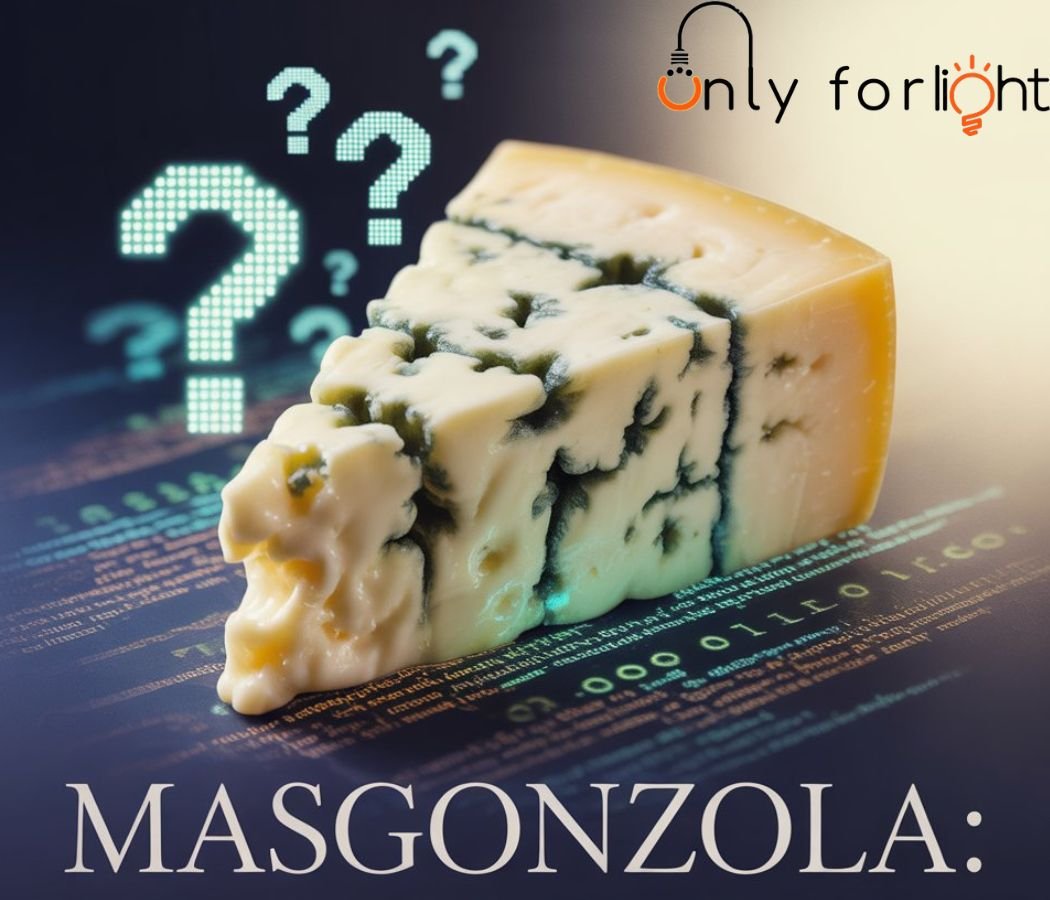
Have you ever scrolled through social media and stumbled upon a word that made you do a double-take? A word like masgonzola? It sounds like a fancy Italian cheese, a forgotten philosopher, or perhaps the name of a niche indie band. The truth is far more fascinating. Masgonzola exists in two parallel universes: one as a chaotic and meaningless internet meme, and the other as a legitimate, creamy culinary creation .
This article dives deep into both worlds, exploring how a simple word can capture the internet’s imagination while also representing a delicious fusion of Italian cheeses. Whether you’re here for the meme lore or the recipe inspiration, get ready to explore the delicious ambiguity of masgonzola.
What is Masgonzola? The Beautiful Paradox
To answer the question “What is masgonzola?” bluntly, it depends on who you ask. For a growing number of people online, it’s a nonsense word—a piece of absurdist humor that feels strangely familiar but means absolutely nothing . For food enthusiasts and chefs, it’s a rich and versatile cheese sauce that blends two Italian greats.
This ambiguity is the secret to its charm. It’s a word that can be anything you want it to be: a joke, a brand, a sauce, or a state of mind.
Part 1: Masgonzola – The Internet‘s Favorite Nonsense Word
The Birth of a Meme
In the wild west of the internet, new words are born every day, but few have the staying power of masgonzola. Its origins are shrouded in mystery, which is exactly how the internet likes it. While a precise creator is unknown, the earliest traces point to its emergence in the comment sections of Reddit, the chaos of Discord servers, and the short-form video creativity of TikTok .
It likely started as a typo of “Gorgonzola,” a simple misspelling that someone found funny. From there, it evolved into a meme experiment—a test to see how far a completely made-up word could travel. The answer? Very, very far .
Why “Masgonzola”? The Linguistic Trick
The word’s success isn’t an accident; it’s a clever piece of linguistic play. Experts call this a phonesthetic construct—a word built to sound meaningful without actually having a definition . Let’s break it down:
-
The “Mas”: In Spanish, this means “more,” teasing our brains with a hint of meaning .
-
The “Gonzola”: This directly echoes “Gorgonzola,” the famous Italian blue cheese, giving it a cultural and culinary familiarity .
This combination triggers our pattern recognition. Our brains love finding familiar patterns, so masgonzola feels like a word we should know, even though we don’t. This cognitive dissonance—the confusion of hearing something so familiar yet so alien—is a core component of modern absurdist humor .
The Masgonzola Aesthetic: Pure Digital Chaos
As the word spread, it developed its own unique “vibe.” The masgonzola aesthetic is best described as peak post-ironic chaos. It’s not tied to one image but a collection of surreal and random elements . Think:
-
Random clipart and oversaturated filters.
-
Floating objects like pizza slices or rubber ducks in classical paintings.
-
Vague, philosophical captions like “We are all masgonzola in the void” .
This aesthetic allows the word to be modular. You can slap “masgonzola” on almost any bizarre image, and it just works. It has become a symbol for digital subcultures that value inside jokes, sarcasm, and a rebellion against the overly structured nature of algorithm-driven content .
Part 2: Masgonzola – A Creamy Culinary Creation
While the internet was busy turning the word into an abstract concept, the culinary world saw an opportunity to give it delicious, tangible form. In the kitchen, masgonzola is a luxurious fusion of two iconic Italian cheeses .
What is Culinary Masgonzola?
Culinary masgonzola is a creamy cheese sauce or a soft, spreadable cheese hybrid that combines:
-
Mascarpone: The rich, buttery, and sweet Italian cream cheese.
-
Gorgonzola: The bold, tangy, and sharp Italian blue cheese .
The result is a perfect marriage of textures and flavors. The mascarpone softens the aggressive bite of the Gorgonzola, creating a mellow, creamy, and complex cheese that is approachable for those wary of blue cheese but still satisfying for connoisseurs . Its flavor is often described as buttery and tangy, with a pleasantly sharp finish .
How is it Made?
The production of authentic masgonzola cheese follows the artisanal traditions of Northern Italy, particularly the Lombardy region, known for its blue cheese heritage .
-
Milk Collection: It starts with high-quality cow’s milk.
-
Curdling and Molding: Rennet is added to form curds, which are then cut and shaped.
-
Inoculation: Penicillium cultures are introduced to create the signature blue-green marbling .
-
Aging: The cheese wheels are pierced with needles to let oxygen in, activating the mold. The aging process can last from a few weeks to several months. A shorter aging results in a milder, creamier cheese, while a longer aging produces a sharper, more intense flavor .
-
The Fusion: In the case of the sauce or a blended cheese, the finished Gorgonzola is then carefully combined with fresh Mascarpone to achieve its final, velvety texture .
How to Use Masgonzola in Your Kitchen
This is where masgonzola truly shines. Its versatility is unmatched. It can be the star of a simple weeknight dinner or the secret weapon in a gourmet feast .
-
Pasta Perfection: This is its most famous use. Stir it into hot pasta—like penne, fettuccine, or gnocchi—with a splash of pasta water to create an instant, restaurant-quality sauce. Add sautéd mushrooms for an earthy touch .
-
Pizza Upgrade: Dollop it on a white pizza or use it as a base sauce instead of mozzarella. It pairs beautifully with pears, caramelized onions, and walnuts . A Swiss recipe even calls for spreading it on pizza dough before baking .
-
Elegant Appetizers: Spread it on crostini and top with figs, honey, or caramelized onions for a sophisticated bite .
-
Sauces and Dips: Melt it with a little cream to create a decadent sauce for grilled steak or chicken. It also makes a fantastic dip for breadsticks and roasted vegetables .
-
Surprising Desserts: The sweet-savory contrast works wonders in desserts. Try it drizzled with honey alongside dark chocolate or crumbled over a pear and arugula salad .
A classic example of its use in European cuisine is in a Zucchini Terrine, where it is mixed with cream and gelatine to create a rich, savory layer between strips of zucchini .
Pairing Your Masgonzola
To elevate your masgonzola experience, consider these classic pairings :
-
Wine: A sweet Port or a crisp Sauvignon Blanc complements its creamy tang.
-
Fruits: Pears, figs, and grapes are the classic companions.
-
Nuts: Walnuts and almonds add a welcome crunch.
-
Bread: A crusty sourdough or walnut bread is perfect for spreading.
Conclusion: Two Sides of the Same Delicious Coin
Masgonzola is a unique cultural phenomenon. On one hand, it represents the boundless, chaotic creativity of the internet—a word that thrives on meaning nothing at all . On the other, it has been grounded by the culinary world as a legitimate and delicious expression of Italian cheesemaking .
Whether you discover it as a hashtag on a surreal meme or as a special ingredient on a gourmet menu, masgonzola is impossible to ignore. It’s a testament to the power of language and flavor, proving that sometimes, the most wonderful things are born from a beautiful accident. So go ahead, embrace the nonsense, or indulge in the creaminess. Either way, you’re participating in the legend of masgonzola.
Frequently Asked Questions (FAQs) About Masgonzola
To clear up the confusion and celebrate the complexity of this unique term, here are the answers to the most commonly asked questions about masgonzola.
1. What is the origin of the word “masgonzola”?
The origin of “masgonzola” is a classic piece of internet archeology—its exact birthplace is unknown, but its evolution is well documented. It didn’t come from a dictionary, a brand, or a single viral video. Instead, it emerged organically from the depths of online culture, specifically within absurdist and surreal meme communities on platforms like Reddit, Discord, and later, TikTok.
The prevailing theory is that it started as a simple, funny typo of the cheese “Gorgonzola.” Someone likely misspelled it, and the new word—”masgonzola”—stuck because it sounded plausible. From there, it was adopted as an inside joke, a “nonsense word” that people used to see how far it could spread. Its popularity grew because it perfectly fit the mold of post-ironic humor, where the joke is that there is no joke.
2. Is masgonzola a real cheese?
This is the most important question, and the answer is delightfully paradoxical: Yes and no.
-
No, there is no traditional, historic Italian cheese called “Masgonzola.” You cannot buy a wheel of aged Masgonzola from a cheesemonger in Milan. It is not a protected designation of origin (PDO) product like Parmigiano-Reggiano or Gorgonzola itself.
-
Yes, “masgonzola” exists as a culinary creation. Chefs, home cooks, and food brands have embraced the name to describe a fusion of Mascarpone and Gorgonzola cheese. It’s a real, tangible food product—typically a creamy sauce, a spread, or a blended cheese—that you can make in your kitchen or find on some forward-thinking menus. So, while it’s not a “heritage” cheese, it is a real and delicious food item.
3. What does masgonzola taste like?
If you are referring to the culinary version, masgonzola offers a complex and balanced flavor profile. It is the perfect midpoint between two very different cheeses.
-
Creaminess: It inherits the rich, buttery, and velvety smoothness of Mascarpone. This gives it a luxurious mouthfeel and a subtle sweetness.
-
Tanginess: It gets its distinctive character from Gorgonzola. The Gorgonzola provides a sharp, pungent, and salty tang. However, because it’s blended with Mascarpone, the intense blue cheese flavor is mellowed and rounded out, making it much more approachable for those who usually shy away from blue cheese.
-
Overall: The flavor is best described as mildly sharp, buttery, and savory with a pleasant tangy finish. If it’s a younger blend, it will be creamier and milder; if aged Gorgonzola is used, it will have a more pronounced, earthy kick.
4. How do you make a masgonzola sauce at home?
Making a simple, restaurant-quality masgonzola sauce at home is incredibly easy and requires just a few ingredients. It’s a fantastic way to elevate a weeknight pasta dish.
Ingredients:
-
4 oz (about 115g) Gorgonzola cheese (crumbled)
-
4 oz (about 115g) Mascarpone cheese
-
1/2 cup heavy cream
-
2 tablespoons unsalted butter
-
Salt and freshly ground black pepper to taste
-
Optional: A pinch of nutmeg or a clove of minced garlic for added depth.
Instructions:
-
Melt the Base: In a saucepan over low heat, combine the heavy cream and butter. Stir gently until the butter is melted and the cream is warm. Crucial Tip: Keep the heat low to prevent the cream from scorching or separating.
-
Incorporate the Cheeses: Add the crumbled Gorgonzola and the mascarpone to the warm cream.
-
Whisk Until Smooth: Continuously whisk the mixture as the cheeses melt. The mascarpone will help create a silky, smooth emulsion. Whisk until you have a uniform, lump-free sauce. This should only take a few minutes.
-
Season and Serve: Remove from heat. Taste the sauce and add salt and pepper as needed. Remember that Gorgonzola can be quite salty, so you may not need much salt. Toss immediately with your favorite cooked pasta (like penne, fettuccine, or gnocchi), adding a splash of pasta water to help the sauce cling to the noodles.
5. What is the “masgonzola meme” or “masgonzola aesthetic”?
The masgonzola meme is a form of surrealist and absurdist internet humor. Because the word itself has no meaning, it can be applied to almost any context. The “aesthetic” associated with it is a visual representation of this chaos.
It typically involves pairing the word “masgonzola” with images that are:
-
Random and Unrelated: Think low-resolution clipart, strange stock photos, or pictures of everyday objects in odd situations.
-
Surreal and Dreamlike: Images that defy logic, such as a penguin in a desert or a floating chair in space.
-
Heavily Edited: Using oversaturated filters, deep-fried meme effects, or glitch art.
-
Vaguely Philosophical: Often paired with captions that sound profound but are ultimately meaningless, like “The path to enlightenment is paved with masgonzola.”
The humor is derived from the cognitive dissonance of seeing a familiar-sounding word used in a completely nonsensical way. It’s an inside joke for those in the know, celebrating randomness for its own sake.
6. How should I store leftover masgonzola sauce?
Proper storage is key to maintaining the quality of your homemade masgonzola sauce.
-
Cooling: Allow the sauce to cool completely to room temperature before storing. Do not leave it out for more than two hours.
-
Container: Transfer the cooled sauce to an airtight container. This prevents it from absorbing other odors in the fridge and prevents a skin from forming on top.
-
Refrigeration: Store the container in the refrigerator. Properly stored, the sauce will last for 3 to 5 days.
-
Reheating: To reheat, place the sauce in a saucepan over the lowest possible heat. You may need to add a tablespoon of milk or cream to help restore its creamy consistency as it can thicken when chilled. Stir gently and continuously until warmed through. Avoid boiling the sauce, as this can cause it to separate.
7. Can you freeze masgonzola?
Freezing masgonzola sauce is possible, but it comes with a warning: the texture will likely change upon thawing. Dairy-based sauces with high fat content, like this one, can sometimes separate or become slightly grainy when frozen and reheated due to the breakdown of the emulsion.
If you choose to freeze it:
-
Cool Completely: Ensure the sauce is completely cold.
-
Use a Freezer-Safe Bag: Pour the sauce into a freezer-safe zip-top bag. Lay it flat in the freezer to save space and allow for faster, more even freezing.
-
Label and Date: Don’t forget to label it with the contents and date.
-
Thaw in the Refrigerator: When ready to use, transfer the bag from the freezer to the refrigerator to thaw overnight.
-
Reheat Gently: Reheat very gently on the stovetop over low heat, whisking vigorously to try and bring the emulsion back together. A splash of fresh cream can also help.
8. What are the best substitutes for Gorgonzola or Mascarpone?
If you don’t have these specific cheeses on hand, you can make substitutions, though the flavor will be different.
-
Substitute for Gorgonzola: To replicate the tangy, blue cheese flavor, you can use another blue cheese.
-
Best Bet: Roquefort (sheep’s milk, sharper and saltier) or Stilton (cow’s milk, more mellow and crumbly).
-
Milder Option: Danish Blue or Gorgonzola Dolce (a sweeter, creamier version of Gorgonzola itself).
-
Substitute for Mascarpone: To replicate the rich, buttery creaminess, you need a high-fat soft cheese or dairy product.
-
Best Bet: Full-fat cream cheese (like Philadelphia). It has a slightly tangier flavor than mascarpone but provides a similar creamy texture.
-
Good Option: Crème Fraîche (adds a wonderful tang) or even full-fat Greek yogurt (for a lighter, tangier sauce, though it’s less stable when heated).
9. Is masgonzola suitable for vegetarians?
This depends entirely on the rennet used to make the Gorgonzola. Traditional Gorgonzola, like many Italian cheeses, is often made using animal rennet (an enzyme extracted from the stomachs of unweaned calves). This means it is not suitable for vegetarians.
However, many modern cheese producers now offer versions made with microbial or vegetable rennet. The mascarpone is almost always vegetarian, as it is typically made by curdling cream with citric acid or tartaric acid, not animal rennet.
The Verdict: To ensure a masgonzola dish is vegetarian, you must specifically check the label on your Gorgonzola to confirm it is made with non-animal rennet.