
Who Delivers Your Offer to the Seller Framework: In real estate, we spend countless hours perfecting the numbers. We analyze ARV (After Repair Value), calculate profit margins, and stress over the offer price.
But there is one variable that experienced investors know can make or break a deal faster than the numbers on a spreadsheet: Who delivers the offer?
You can present the highest price, but if the wrong person hands over the contract, the deal dies. Conversely, you can present a below-asking offer and win if the right person delivers it.
Welcome to the “Who Delivers Your Offer” Framework—a strategic approach to seller communication that dictates your conversion rates, your credibility, and ultimately, your bottom line.
Why the Delivery Method Matters More Than the Price
Sellers are not rational robots. They are emotional humans navigating one of the most stressful transactions of their lives. They are selling a house, but they are often leaving behind memories, dealing with financial distress, or facing life-altering changes.
When an offer arrives, the seller subconsciously asks three questions:
-
Can I trust this person?
-
Will this transaction close without headaches?
-
Am I getting a fair deal?
The person who delivers the offer answers these questions before the seller even reads the price. If the delivery feels amateurish, pressuring, or impersonal, the seller assumes the transaction will be the same.
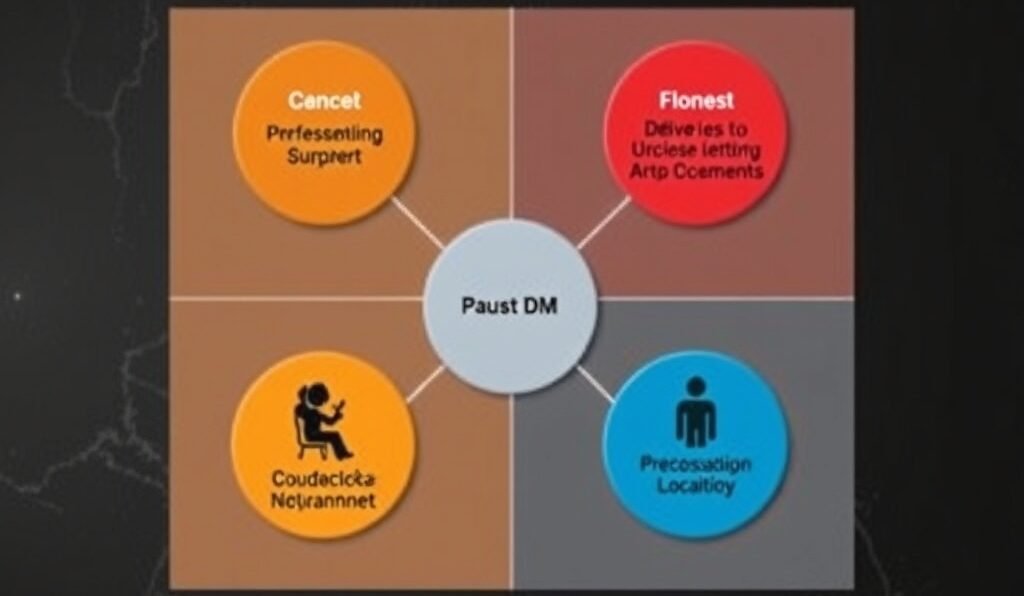
The Framework: The 4 Archetypes of Offer Delivery
To optimize your acquisition strategy, you need to understand the four primary archetypes of who delivers the offer. Each has a place in your business, but they yield wildly different results.
1. The Disembodied Voice (The Virtual Assistant / Cold Caller)
The Scenario: A seller gets a call from a call center agent or a junior virtual assistant reading from a script. The offer is presented as a number over the phone, followed by an email with a generic contract.
The Result: Low conversion. High skepticism.
The Analysis: Sellers know that if the person on the phone has no authority to negotiate, they are just a gatekeeper. This method treats the offer like a commodity. It works for volume-driven, low-ball strategies, but it rarely wins competitive deals or builds a sustainable reputation in a local market.
2. The Middleman (The Junior Agent / Acquisitions Manager)
The Scenario: A junior team member, an acquisitions manager, or a wholesaler meets the seller face-to-face or via Zoom. They are professional, they have the contract, and they know the basics of the deal.
The Result: Moderate conversion. Neutral trust.
The Analysis: This is the default for scaling investors. It protects the principal’s time. However, sellers are savvy. They often ask, “Are you the decision maker?” If the answer is no, the seller feels they are negotiating with a messenger. This introduces friction and delays, giving the seller time to get cold feet or take a backup offer.
3. The Principal (The Investor / CEO)
The Scenario: The owner of the company—the person whose money is on the line—shows up to present the offer. They look the seller in the eye and say, “I am the buyer. I am writing this check.”
The Result: High conversion. High authority.
The Analysis: This is the most powerful delivery method in the framework. When the principal delivers the offer, decision-making paralysis disappears. There is no “I need to run this by my partner” or “I have to wait for approval.” The seller feels a sense of security knowing they are dealing with the source. This method commands respect and can often secure a deal for 5–10% less than a competitor using a middleman, simply because the seller trusts the closing.
4. The Advisor (The Trusted Agent / CPA / Attorney)
The Scenario: You don’t deliver the offer at all. A third-party fiduciary—the seller’s own agent, their accountant, or their estate planner—delivers your offer to them as a recommendation.
The Result: Highest conversion. Maximum trust.
The Analysis: This is the holy grail. When an offer is delivered by someone the seller already trusts, the sales resistance drops to zero. The seller doesn’t vet you; they vet their advisor. If an agent says, “I have a serious, local investor who closes in 10 days, no inspections,” the seller listens. This method shifts you from being a “house flipper” to being a “vetted solution.”
How to Optimize Your Framework for Higher Conversions
Knowing the archetypes is one thing. Strategically deploying them is another. Here is how to optimize your “Who Delivers Your Offer” strategy based on the situation.
For the Low-Hanging Fruit (Motivated Sellers)
If you are dealing with high-volume, high-motivation leads (probate, pre-foreclosure, vacant properties), the Principal is your best asset.
-
Strategy: Don’t send an acquisition manager to the kitchen table. Go yourself.
-
Script: “Mrs. Johnson, I’m not a middleman. I’m the one buying your house. I have the funds in my account, and I’m here to make this as easy as possible for you.”
-
Why it works: Motivated sellers fear being taken advantage of by a faceless corporation. Showing your face as the decision-maker builds instant rapport.
For the High-Value or Retail Seller
When dealing with a seller who is not in distress but simply wants a fair, easy transaction, the Advisor strategy is superior.
-
Strategy: Build a network of top local real estate agents. Offer them a referral fee or a smooth, guaranteed close. Let them present your offer to their client.
-
Why it works: Retail sellers are suspicious of investors who knock on doors. They trust their agent. When the agent says, “I’ve vetted this buyer,” your offer moves to the top of the pile.
For Scaling Your Business
If you are trying to scale to 50+ deals a year, you cannot be the Principal on every offer. You must build a system where your Middleman (Acquisitions Manager) is trained to act with the authority of a Principal.
-
Optimization: Teach your acquisitions team to never say, “Let me ask my boss.”
-
Instead, train them to say: “I handle acquisitions for our firm. I have the authority to write this check today, provided we can agree on terms that work for both of us.”
The Red Flag: When the Wrong Person Delivers
To master this framework, you must also recognize when the delivery is working against you.
-
Red Flag 1: You send a low-level VA to negotiate a six-figure asset. (Undermines credibility).
-
Red Flag 2: You, as the Principal, try to play the “low ball” game. (If you are the CEO, you risk offending the seller and burning your reputation in the neighborhood).
-
Red Flag 3: You use the Advisor strategy but fail to pay the advisor promptly. (Advisors only recommend you if you are reliable).
Conclusion: Who Delivers Your Offer to the Seller Framework
The “Who Delivers Your Offer” framework isn’t about ego; it’s about psychology. Authority creates trust, and trust creates discounts.
If you are losing deals to competitors with worse numbers, stop looking at your offer price. Look at who is sitting across the table from the seller.
-
If you want to build a brand and close high-margin deals, be the Principal or the Advisor.
-
If you want to run a volume acquisition machine, build a team of Middlemen who speak with the authority of Principals.
-
Never let a Disembodied Voice be the first impression of your highest-value offers.
Remember: In real estate, you aren’t just selling a price. You’re selling certainty. And certainty is only as credible as the person delivering it.