
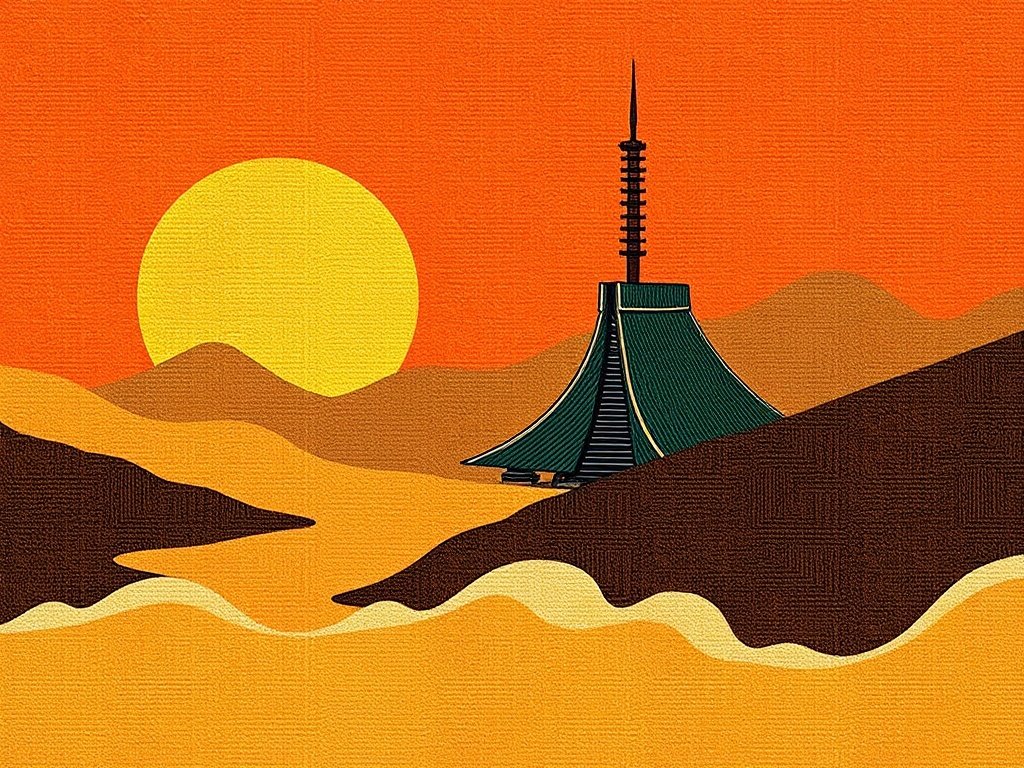
Tsunaihaiya is a word that has been quietly circulating through creative and cultural circles, yet it remains a mystery to many. Is it a place? A brand? An ancient concept? The answer, intriguingly, is all of the above and none of them exclusively.
In this comprehensive guide, we will explore the multi-layered universe of Tsunaihaiya. From its roots in Apache language and Japanese craftsmanship to its emergence as a symbol of renewal in digital art, this term represents a fascinating bridge between tradition and modernity.
Whether you are a linguist, a jewelry collector, a traveler, or a digital creator, the story of Tsunaihaiya offers a unique lens through which to view cultural fusion and personal identity.
What Does Tsunaihaiya Mean?
One of the most captivating aspects of Tsunaihaiya is that it defies a single, static definition. Its meaning shifts depending on context—ranging from a literal translation to a philosophical concept.
The Linguistic Roots
At its core, the most widely accepted translation of Tsunaihaiya comes from the Apache language. In this context, it is often interpreted as “sunrise” or “the rising sun”. This etymology connects the word directly to themes of dawn, renewal, and the start of a new day.
Symbolic Interpretations
Beyond the literal, Tsunaihaiya carries heavy symbolic weight. It is generally understood to embody four key pillars :
-
Renewal: A reminder that every day offers a new beginning.
-
Balance: The harmony between preserving old traditions and embracing innovation.
-
Unity: The ability to connect disparate cultures, ideas, or people.
-
Resilience: The strength to endure challenges while maintaining one’s identity.
Interestingly, in the digital age, many creators treat Tsunaihaiya as a blank canvas—an invented or evolving term used to describe emotions too complex for standard vocabulary, such as a fleeting sense of peace or the feeling of creative inspiration.
The Origin and History: A Story of Two Cultures
The history of Tsunaihaiya is not found in ancient texts but rather in the specific collaboration of two artists in the 21st century. Unlike purely fictional internet words, Tsunaihaiya has a tangible, documented origin in the world of high-end artisan jewelry.
The Founders
The brand TSUNAIHAIYA was founded in 2012 by two friends: Craig Dan Goseyun, a sculptor and member of the San Carlos Apache tribe, and Yusuke Kuwano, a Japanese metalsmith.
-
Yusuke Kuwano moved to Santa Fe, New Mexico (the heart of Southwestern art), to study at the Institute of American Indian Arts, where he mastered metalwork.
-
Craig Dan Goseyun brought the ancestral narratives and silversmithing techniques of the Apache people.
The Fusion
The brand was built on a specific philosophy: to merge Native American heritage with Japanese design minimalism. They chose the name Tsunaihaiya (meaning “Rising Sun” in Apache) as a nod to Japan, creating a literal and metaphorical bridge across the Pacific.
This origin story is crucial. It moves Tsunaihaiya away from being a simple “slang” term and anchors it as a symbol of intentional, respectful cultural dialogue.
Tsunaihaiya in Art and Craftsmanship
If you want to see Tsunaihaiya with your eyes, look no further than the jewelry created by the brand. This is the most concrete manifestation of the concept.
The physical products of Tsunaihaiya are not mass-produced accessories; they are narrative art pieces. They often feature motifs like the Snake (or White Serpent), which in Japanese lore is a high-ranking spiritual creature, combined with the stamp-work and texturing techniques of Native American silversmithing.
| Feature | Native American Influence | Japanese Influence |
|---|---|---|
| Technique | Stamp-work, symbolic etching, raw stone setting | Precision metal finishing, minimalist soldering |
| Philosophy | Connection to the earth, animal spirits (bears, eagles) | Wabi-sabi (beauty in imperfection), balance |
| Aesthetic | Turquoise stones, organic shapes | Clean lines, oxidized silver for depth |
Collectors value these pieces not just for the materials (silver, gold, rare stones) but because wearing them signifies an appreciation for cross-cultural unity and hand-made storytelling.
Cultural Significance and Modern Relevance
Why does Tsunaihaiya matter in 2026? In a world of mass production and rapid globalization, Tsunaihaiya stands as a counter-point.
1. A Model for Responsible Cultural Fusion
Often, when cultures blend, the result can feel inauthentic or exploitative. However, because Tsunaihaiya was founded by an Apache artist and a Japanese artist working as equals, it represents a collaboration, not a dilution. It proves that tradition can evolve without being erased.
2. Emotional Vocabulary for the Digital Age
Online, Tsunaihaiya has taken on a life of its own. Because the name sounds melodic and looks unique, bloggers, poets, and social media users have adopted it to describe moments of quiet strength or creative flow. It fills a gap for those seeking a word that feels both ancient and entirely new.
3. A Travel Destination? (A Note on Confusion)
You may find articles online describing Tsunaihaiya as a “coastal travel destination” or an “eco-lodge.” It is important to clarify that there is no widely recognized geographic location by this name. This appears to be a separate use of a similar-sounding name or a creative naming project. The authentic cultural root of the word remains tied to the Apache/Japanese art movement.
How to Use the Term “Tsunaihaiya” Thoughtfully
Because Tsunaihaiya sits at the intersection of a specific brand, a cultural symbol, and an abstract concept, usage requires a bit of awareness.
-
If referring to the jewelry: You can state, “He wears a Tsunaihaiya silver bangle.”
-
If using the concept: You might write, “Watching the storm clear felt like a moment of Tsunaihaiya—chaos turning into peace.”
-
Be Respectful: Avoid using the term in a derogatory or frivolous manner. When using it symbolically, acknowledge its roots in Indigenous and Japanese craftsmanship to preserve its depth.
Conclusion: Embracing the Spirit of the Rising Sun
Tsunaihaiya is more than just a word or a brand; it is a living symbol. It reminds us that culture is not a relic to be locked in a museum, but a river that flows forward, picking up new nutrients while retaining its original essence.
Whether you are drawn to the handcrafted silver of the jewelry, the poetic meaning of “sunrise,” or the mysterious sound of the word itself, Tsunaihaiya invites you to look for the balance between heritage and innovation.
In a fragmented world, it stands as a beautiful example of unity—a rising sun that illuminates two different shores at once.
Tsunaihaiya: Detailed FAQs
1. Is Tsunaihaiya a real word, and where does it come from?
Yes, but with context.
Tsunaihaiya is a real word in the Apache language, where it generally means “sunrise” or “the rising sun.” However, its modern recognition comes from its adoption as the name of a fine art jewelry brand founded in 2012. It is not a word you will find in standard English dictionaries, but it carries authentic linguistic and cultural roots.
2. What does Tsunaihaiya symbolize?
Tsunaihaiya symbolizes four core ideas:
-
Renewal: Like the dawn, it represents fresh starts and hope.
-
Balance: The harmony between tradition and innovation.
-
Unity: The connection between different cultures (specifically Native American and Japanese).
-
Resilience: Strength through change while preserving identity.
3. Who created the Tsunaihaiya brand, and why?
The brand TSUNAIHAIYA was founded in 2012 by:
-
Craig Dan Goseyun – A sculptor and silversmith from the San Carlos Apache tribe.
-
Yusuke Kuwano – A Japanese metalsmith who moved to Santa Fe, New Mexico, to study at the Institute of American Indian Arts.
Why?
They wanted to merge Native American storytelling and stamp-work with Japanese minimalist design and precision metal finishing. The founders chose the name to honor both cultures: the Apache meaning (“sunrise”) nods to Japan (the Land of the Rising Sun), creating a literal and symbolic bridge between two traditions
4. Is Tsunaihaiya a place I can visit?
No.
There is no confirmed geographic location named Tsunaihaiya. If you see travel blogs or websites referring to Tsunaihaiya as a beach, resort, or eco-lodge, these are either:
-
A different entity using a similar-sounding name, or
-
A creative or fictional project.
The authentic Tsunaihaiya is experienced through art, jewelry, and cultural philosophy — not through travel.
5. How do you pronounce Tsunaihaiya?
Phonetically: Tsoo-nye-hai-yah
-
Tsoo (rhymes with “zoo”)
-
nye (like “nigh” or “bye”)
-
hai (like “hi”)
-
yah (like “ya”)
The word is meant to sound melodic and fluid, reflecting its meaning of sunrise.
6. What kind of jewelry does Tsunaihaiya make?
Tsunaihaiya creates handcrafted, narrative-driven pieces using:
-
Materials: Sterling silver, gold, turquoise, and other natural stones.
-
Motifs: Snakes (or white serpents — a high-ranking spirit in Japanese lore), bears, eagles, and abstract natural forms.
-
Techniques:
-
Native American: Stamp-work, etching, raw stone setting
-
Japanese: Precision soldering, oxidized finishes, minimalist lines
-
Each piece is made by hand, not mass-produced, and is considered wearable art.
7. Is Tsunaihaiya expensive?
Generally, yes.
Skilled artisans handcraft each item using precious metals and stones, so Tsunaihaiya pieces fall into the fine jewelry or investment art category. Materials, complexity, and rarity determine the prices. Collectors view them as heirlooms rather than fashion accessories.
8. Can anyone use the word Tsunaihaiya freely?
Yes, but respectfully.
The word has roots in Apache language and a specific brand identity. You can use it:
-
To describe the jewelry: “She wore a Tsunaihaiya ring.”
-
As a poetic concept: “The quiet morning felt like Tsunaihaiya.”
Avoid:
-
Using it in a mocking or trivial way.
-
Claiming it as your own invented term without acknowledging its origins.
-
Attaching it to products or services without permission from the brand.
9. Why is Tsunaihaiya suddenly popular online?
The rise in popularity comes from several factors:
-
Unique sound: The word looks and sounds mysterious, making it attractive for usernames, hashtags, and creative projects.
-
Visual aesthetics: The jewelry is highly photogenic, spreading on platforms like Instagram and Pinterest.
-
Emotional depth: People searching for words to describe complex feelings (peace, renewal, creative flow) have adopted Tsunaihaiya as a poetic term.
-
Cultural curiosity: Growing interest in Indigenous and cross-cultural art has brought attention to the brand.
10. Is Tsunaihaiya connected to any religion or spirituality?
No direct religious affiliation.
However, its themes of renewal, balance, and unity resonate with many spiritual practices. The snake/serpent motif in some pieces draws from Japanese folklore (where the white snake is a symbol of good fortune and protection), and Native American animal symbolism carries spiritual weight. But the brand and concept are artistic and cultural, not religious.
11. How is Tsunaihaiya different from other Native American or Japanese jewelry?
| Feature | Tsunaihaiya | Traditional Native American Jewelry | Traditional Japanese Jewelry |
|---|---|---|---|
| Technique | Fusion of stamp-work + precision metalsmithing | Heavy stamp-work, cluster stones | Minimalist, fine detail, patinas |
| Design philosophy | Balance between storytelling and minimalism | Bold, symbolic, earth-connected | Wabi-sabi, restraint, negative space |
| Cultural roots | Equal collaboration (Apache + Japanese) | Solely Indigenous | Solely Japanese |
| Target audience | Art collectors & cross-cultural enthusiasts | Heritage wearers & tourists | Traditional art lovers |
Uniqueness: Tsunaihaiya is one of the very few brands where two distinct cultural traditions are practiced equally by founders from those cultures.
12. Can I buy Tsunaihaiya jewelry online?
Yes, but carefully.
The official brand has limited distribution. Be cautious of:
-
Counterfeits or mass-produced copies.
-
Sellers using the name without authorization.
Best practice:
Visit the official website or authorized galleries (often in Santa Fe, NM, or select art shows). Avoid bargain prices — authentic pieces are not cheap.
13. Is Tsunaihaiya mentioned in any books or movies?
Not yet in mainstream media.
It has appeared in:
-
Art and jewelry publications (specialty magazines, exhibition catalogs).
-
Blog posts and online articles about cultural fusion and artisan craftsmanship.
-
Social media poetry and digital art captions.
No major film or novel currently features Tsunaihaiya, but its growing recognition makes future appearances possible.
14. What is the most common misconception about Tsunaihaiya?
That it is purely fictional or invented slang.
Many people assume Tsunaihaiya is a made-up internet word with no real meaning. In truth, it has:
-
A verifiable origin in the Apache language.
-
A documented brand founded in 2012 by two real artists.
-
Tangible, handcrafted products.
The abstract, poetic use online is a secondary layer, not the foundation.
15. How can I learn more about Tsunaihaiya?
To go deeper:
-
Visit art galleries in Santa Fe, New Mexico, or major Indigenous art markets.
-
Search for interviews with Craig Dan Goseyun or Yusuke Kuwano (often in jewelry or cultural publications).
-
Follow hashtags like #Tsunaihaiya on Instagram to see real pieces and community discussions.
-
Check academic resources on Native American–Japanese artistic exchange (a niche but growing field).
-
Contact the brand directly through its official website for exhibition dates or authorized sellers.