
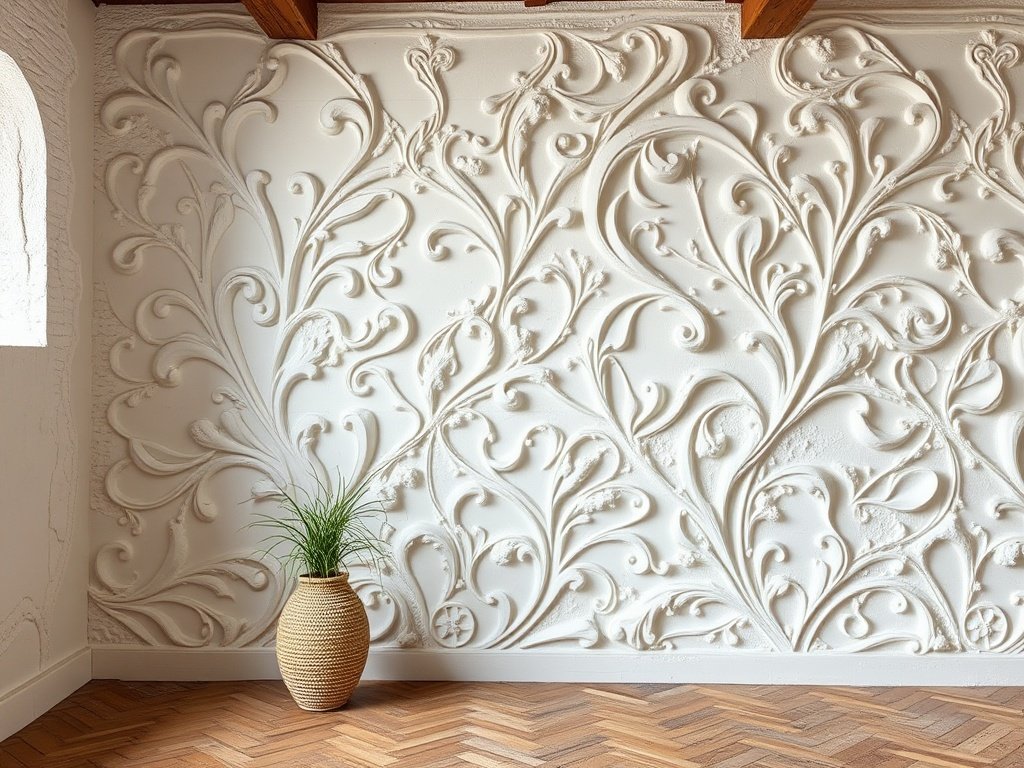
Gessolini, a traditional Italian decorative technique, has captivated artists and architects for centuries. Derived from the word “gesso,” meaning plaster in Italian, gessolini refers to intricate plasterwork that adorns buildings, furniture, and artistic pieces. This blog post delves into the history, application, and significance of gessolini, revealing its charm and enduring appeal.
The History of Gessolini
Gessolini can trace its roots back to the Renaissance, a period that celebrated art and architecture. Artists like Michelangelo and Raphael utilized gesso in their masterpieces, setting the stage for the technique’s evolution. Initially employed in churches and palaces, gessolini became synonymous with luxury and craftsmanship.
Techniques and Materials
The Gesso Base
The foundation of gessolini is gesso, a mixture of chalk, gypsum, and glue that provides a smooth surface for painting. Artisans carefully prepare this base to ensure durability and adherence of subsequent layers.
Decorative Methods
Gessolini is characterized by various decorative methods, including:
- Stucco Relief: Three-dimensional designs created with plaster applied directly to surfaces.
- Fresco: Painting on freshly laid plaster, allowing pigments to bind with the wall as it dries.
- Sgraffito: Engraving designs into a layer of plaster, revealing the contrasting color beneath.
Modern Adaptations
Contemporary artists have embraced gessolini, incorporating modern materials and techniques while respecting traditional methods. This fusion has led to innovative applications in interior design and art installations.
The Significance of Gessolini
Gessolini is more than just a decorative technique; it embodies cultural heritage and artistry. Its intricate designs tell stories of the past, connecting viewers to Italy’s rich artistic history. Additionally, it contributes to the acoustics and aesthetics of a space, enhancing its overall atmosphere.
Applications in Interior Design
It has made a significant comeback in modern interior design. Designers are using this technique to create stunning feature walls, ceilings, and furniture pieces. The versatility of gessolini allows it to blend seamlessly with various styles, from traditional to contemporary.
Benefits of Gessolini in Interiors
- Unique Aesthetic: Adds character and charm to any space.
- Customization: Artisans can create bespoke designs tailored to client preferences.
- Durability: Gesso-based finishes are resilient, ensuring longevity.
Conclusion
It is an exquisite blend of history, art, and architecture. Its intricate designs and adaptability continue to inspire creators around the globe. Whether you’re an artist, designer, or history enthusiast, understanding it opens a door to the beauty of Italian craftsmanship. Embrace this timeless technique in your next project, and witness the transformation it brings to your surroundings.
FAQs About Gessolini
1. What is gessolini?
It is a traditional Italian decorative technique involving intricate plasterwork.
It is typically combines various techniques such as relief, fresco, and sgraffito to create stunning designs that adorn walls, ceilings, and artistic pieces.
2. What materials are used in gessolini?
The primary material used in it is gesso, a mixture of powdered chalk or gypsum and glue. This combination creates a smooth, white surface suitable for painting. Additionally, artisans may use different natural pigments and colors to enhance the plasterwork. Other materials include:
- Lime-based plasters: For durability and breathability.
- Natural adhesives: To ensure proper adhesion of layers.
- Pigments: For coloring and detailing.
3. What are the main techniques associated with gessolini?
It employs several techniques, including:
- Stucco Relief: A method where plaster is applied to create three-dimensional designs.
- Fresco: A technique of painting on freshly laid wet plaster, allowing colors to bond as it dries.
- Sgraffito: Involves scratching through a top layer of plaster to reveal a contrasting colored layer beneath.
Each technique offers unique aesthetic qualities and applications, enhancing the overall design.
4. Where did gessolini originate?
It originated during the Renaissance in Italy, a period marked by a resurgence of art, culture, and architectural innovation. Influential artists such as Michelangelo, Raphael, and Bernini utilized plaster decoration in their works. As such, gessolini represents both artistic expression and cultural significance, connecting to Italy’s rich historical narrative.
5. How is gessolini applied in modern design?
In contemporary interior design, it is experiencing a revival. Designers apply this technique to create unique feature walls, ceilings, and furniture pieces. It can be found in various settings:
- Residential Spaces: Living rooms, dining areas, and bedrooms often incorporate it for added character.
- Commercial Interiors: Restaurants, hotels, and offices utilize gessolini to create inviting atmospheres.
- Art Installations: Artists incorporate gessolini in their works, blending traditional craftsmanship with modern concepts.
6. What are the benefits of using gessolini decor?
Using its offers several advantages, including:
- Aesthetic Appeal: The intricate designs add elegance and sophistication to any space.
- Customization: Each piece can be tailored to the client’s preferences, allowing for unique, personalized designs.
- Durability: Gesso-based finishes are resilient and can withstand wear, making them suitable for high-traffic areas.
- Acoustic Benefits: It can enhance sound quality in a room, making it a practical choice for areas where acoustics matter.
7. How can one maintain gessolini finishes?
Maintaining it involves careful cleaning and appropriate upkeep. Here are some tips:
- Avoid Excess Moisture: Prevent water damage by keeping surfaces dry.
- Gentle Cleaning: Use a soft, dry cloth to dust off surfaces. For deeper cleaning, a damp cloth (not wet) may be used.
- Repairs: For chips or cracks, consult a professional skilled in its restoration to ensure authentic repairs.
8. Can anyone learn gessolini techniques?
Yes, its techniques can be learned through courses and workshops. Many artists and artisans offer training programs for those interested in mastering this art form. While the skills may take time and practice to develop, anyone with a passion for art and design can explore the world of it.