
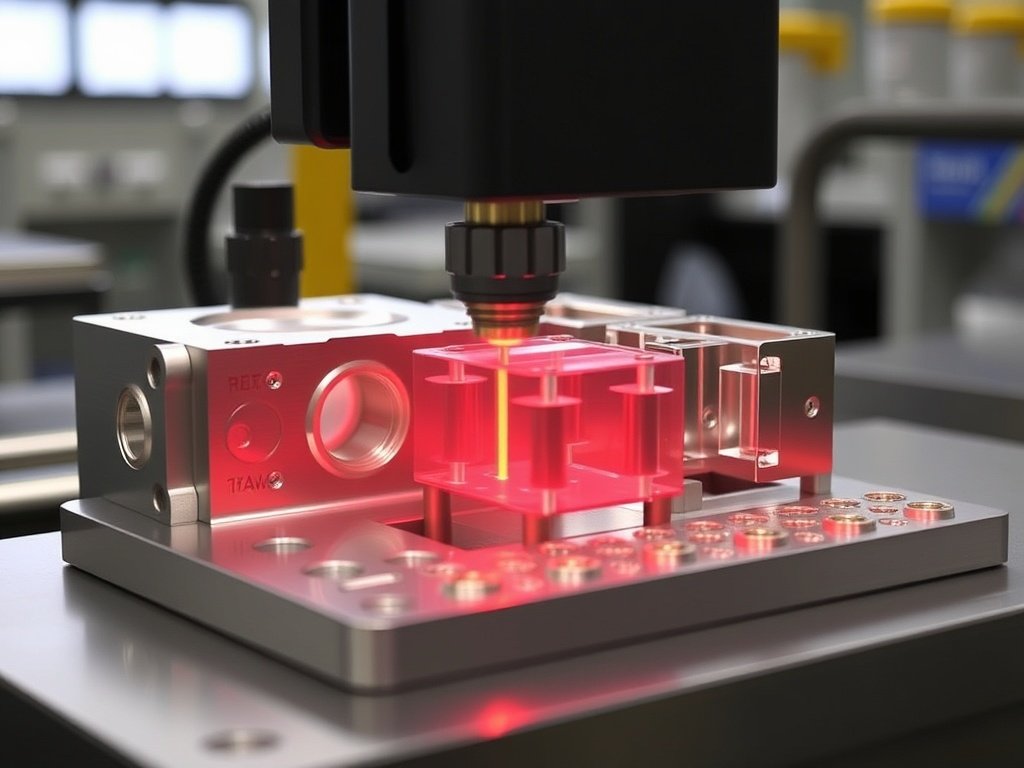
In the ever-evolving landscape of technology, RepMold stands out as a pioneering advancement in the manufacturing sector. This innovative technique revolutionizes the way we approach mold-making, enhancing efficiency and precision. In this article, we will explore what RepMold is, its benefits, applications, and how it shapes the future of manufacturing.
What is RepMold?
RepMold is a modern molding technique that utilizes advanced materials and processes to create molds with improved durability and precision. Unlike traditional molding methods, which often involve cumbersome and time-consuming procedures, RepMold streamlines the production process, significantly reducing lead times and costs. This method is especially beneficial in industries such as automotive, aerospace, and consumer products, where precision and speed are crucial.
Benefits of RepMold
1. Enhanced Precision
One of the most significant advantages of RepMold is its ability to produce highly accurate molds. Utilizing advanced technology ensures that each mold meets the specified design parameters, resulting in consistent product quality.
2. Reduced Lead Times
RepMold reduces the time taken to create molds, allowing manufacturers to speed up their production cycles. This rapid prototyping capability enables businesses to respond quickly to market demands.
3. Cost Efficiency
By optimizing the molding process, RepMold can significantly cut manufacturing costs. Reduced material waste and faster production times contribute to higher profit margins without sacrificing quality.
4. Versatile Applications
RepMold is applicable across various industries. Its versatility makes it ideal for producing components ranging from intricate designs in consumer electronics to complex parts in automotive manufacturing.
Applications of RepMold
Automotive Industry
In the automotive sector, RepMold is used to create lightweight components that improve fuel efficiency and vehicle performance. The precision of RepMold ensures that parts fit perfectly, reducing the need for rework.
Aerospace Engineering
Aerospace manufacturers benefit from RepMold’s ability to produce complex geometries that are both lightweight and strong. This is essential for meeting rigorous industry standards and enhancing safety.
Consumer Products
From electronics to household items, RepMold allows for the creation of aesthetically pleasing and functional products. The rapid prototyping aspect enables companies to test designs quickly and iterate based on consumer feedback.
The Future of RepMold
As technology continues to advance, RepMold is poised to become an integral part of the manufacturing landscape. Innovations in materials science and automation will further enhance the capabilities of RepMold, making it an essential tool for manufacturers looking to stay competitive.
Sustainability Considerations
The manufacturing industry is increasingly focusing on sustainable practices. RepMold’s ability to minimize waste and optimize resource use aligns perfectly with this goal. As environmental concerns grow, adopting such efficient manufacturing methods could lead to significant benefits for both businesses and the planet.
Conclusion
RepMold represents a significant step forward in the field of manufacturing. With its benefits of enhanced precision, reduced lead times, cost efficiency, and versatile applications, it is clear that this innovative technique is not just a trend but a revolutionary approach to mold-making. As we move into the future, embracing RepMold will be crucial for manufacturers aiming to innovate and thrive in an ever-changing market.
FAQs about RepMold
Here are some frequently asked questions regarding it, covering its features, benefits, and applications in depth.
1. What is RepMold, and how does it work?
Answer:
It is an advanced molding technique that focuses on creating molds with improved precision and durability. The process typically involves:
- Material Selection: Advanced materials, such as high-performance thermoplastics or composites, are used to enhance mold longevity.
- 3D Printing and CNC Machining: Many RepMold techniques leverage 3D printing for initial prototyping and CNC machining for fine-tuning mold details.
- Rapid Prototyping: This allows for quick iterations and adjustments, helping manufacturers test their designs efficiently before full-scale production.
2. What industries benefit the most from RepMold?
Answer:
RepMold is particularly beneficial in several industries, including:
- Automotive: Where precision parts are essential for performance and safety.
- Aerospace: Applications require complex geometries and lightweight materials for fuel efficiency and safety.
- Consumer Electronics: Enables the creation of intricate designs that enhance product aesthetics and functionality.
- Medical Devices: For producing customized components that meet strict regulatory requirements.
3. How does RepMold improve cost efficiency in manufacturing?
Answer:
It contributes to cost efficiency through:
- Reduced Material Waste: The advanced design allows for more efficient use of materials, minimizing leftovers and scrap.
- Faster Production Times: By streamlining the mold-making process, businesses can produce parts more quickly, reducing labor costs and overhead.
- Lower Tooling Costs: Using advanced materials and techniques reduces the need for expensive tooling changes, especially in short runs.
4. What are the environmental benefits of RepMold?
Answer:
It offers several environmental advantages:
- Material Efficiency: By optimizing material use, it helps reduce waste.
- Energy Consumption: The speed of production often translates to lower energy use per part, contributing to overall energy savings.
- Sustainability Practices: The method aligns well with circular economy principles, as it facilitates the use of recycled materials and minimizes environmental impact.
5. Can RepMold accommodate custom designs?
Answer:
Absolutely! One of the standout features of it is its flexibility in design. The use of 3D printing and CNC machining allows for:
- Customization: Manufacturers can easily adapt their molds to accommodate unique or custom product designs.
- Rapid Iteration: Designers can quickly change their molds based on testing and consumer feedback, facilitating innovation without incurring significant costs.
6. What are the challenges associated with implementing RepMold?
Answer:
While it has many advantages, there are some challenges to consider:
- Initial Investment: The transition to it may require upfront investment in new technologies and training.
- Material Limitations: Not all materials are suitable for its processes; manufacturers must carefully choose appropriate options that match their needs.
- Skill Development: Teams may require training to effectively use new technologies and processes.
7. How does RepMold compare to traditional molding methods?
Answer:
RepMold differentiates itself from traditional methods in several key areas:
- Speed: It processes are typically faster, enabling quicker turnaround times for prototypes and production.
- Precision: Advanced techniques result in higher mold accuracy compared to conventional methods.
- Cost-Effectiveness: Reduced waste and optimized processes lead to lower overall costs over the product lifecycle.
8. What should I consider when choosing a RepMold provider?
Answer:
When selecting a provider for its services, consider the following:
- Experience and Expertise: Look for a company with a proven track record and expertise in the specific industry you operate in.
- Technology and Equipment: Ensure they use up-to-date technology and equipment for optimal results.
- Support and Collaboration: A good provider should offer collaborative design support and be willing to iterate based on your feedback.
- Customer Reviews and Case Studies: Research feedback and success stories to gauge reliability and quality.