
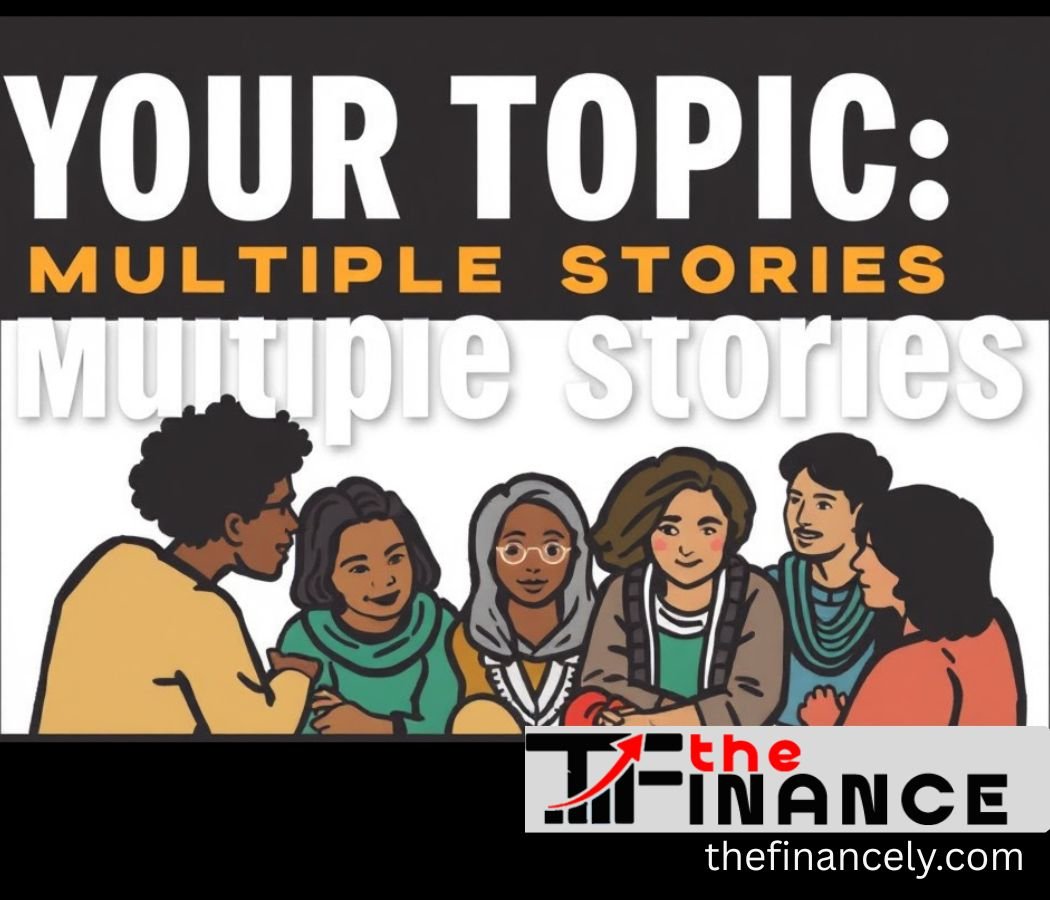
In today’s world, where information flows freely and narratives are constantly reshaped, the concept of exploring “your topics” through multiple stories has gained significant relevance. This article delves into the importance of diverse narratives, strategies for storytelling, and how they can enrich your understanding of various subjects.
The Power of Multiple Perspectives
Every topic can be viewed through different lenses, and each perspective adds depth. Here are some reasons why embracing multiple stories can enhance your understanding:
- Broadened Horizons: Multiple stories allow us to see a topic from various angles, expanding our worldview. For instance, exploring a global issue like climate change from scientific, social, and economic perspectives can lead to a more comprehensive understanding.
- Empathy and Connection: Engaging with diverse narratives fosters empathy. By hearing different voices—be it from different cultures, backgrounds, or experiences—we can connect more deeply with others.
- Critical Thinking: Exposure to multiple viewpoints encourages critical thinking. It challenges our preconceived notions and compels us to question and analyze our beliefs.
Strategies for Crafting Engaging Stories
To effectively communicate your topics through multiple stories, consider the following strategies:
1. Identify Your Core Topic
Start by defining the core topic you want to explore. Make sure it is broad enough to accommodate various stories but specific enough to provide a clear focus.
2. Research Diverse Perspectives
Seek out diverse sources of information. This can include articles, interviews, podcasts, and more. Ensure that you include voices from marginalized communities to enrich your narrative landscape.
3. Utilize Storytelling Techniques
Effective storytelling can captivate your audience. Consider using:
- Personal Anecdotes: Sharing personal experiences can make a topic relatable.
- Visuals: Incorporate images, infographics, or videos to enhance your narrative.
- Narrative Structure: Organize your stories with a clear beginning, middle, and end to maintain flow and engagement.
4. Encourage Community Participation
Engage your audience by inviting them to share their stories related to your topic. This not only diversifies your narrative but also creates a sense of community.
Examples of “Multiple Stories” in Action
1. Mental Health Awareness
Exploring mental health through multiple stories can cover scientific research, personal testimonials, cultural perceptions, and historical trends. This multifaceted approach can destigmatize mental health issues and foster open dialogue.
2. Climate Change
A comprehensive look at climate change can include scientific data, stories from affected communities, corporate responsibility, and grassroots movements. Such diversity informs and motivates action across different sectors of society.
3. Cultural Practices
Highlighting a cultural practice through various stories—from historical roots to modern adaptations—offers a rich tapestry that celebrates diversity and human experience.
Conclusion
Exploring “your topics” through multiple stories is not just an effective means of communication; it is a transformative journey that promotes understanding, empathy, and engagement. By embracing diverse narratives, we can enrich our discussions, foster connections, and ultimately drive positive change.
Incorporating these strategies into your storytelling will not only enhance your blog but also contribute to a more informed, empathetic, and connected world. As you embark on this narrative adventure, remember that every story has the power to inspire and create impact.
FAQs on “Your Topics Multiple Stories”
1. What does “Your Topics: Multiple Stories” mean?
Answer: “Your Topics: Multiple Stories” refers to the practice of examining a central subject from various perspectives and narratives. This approach enriches understanding and fosters a more comprehensive view of the topic, allowing for diverse insights, opinions, and experiences to be shared.
2. Why is it important to explore multiple stories on a topic?
Answer: Exploring multiple stories is essential for several reasons:
- Comprehensive Understanding: Different perspectives enhance your grasp of the topic, covering nuances that a single narrative may overlook.
- Empathy and Connection: Engaging with diverse voices cultivates empathy, helping audiences connect with experiences outside their own.
- Critical Thinking: Encountering multiple viewpoints encourages questioning and critical analysis of one’s beliefs and assumptions.
3. How do I choose the right topics to explore with multiple stories?
Answer: When selecting topics, consider the following criteria:
- Relevance: Choose topics that resonate with current events, cultural phenomena, or areas of interest to your audience.
- Breadth: Ensure the topic allows for a variety of perspectives—both mainstream and marginalized voices.
- Personal Connection: Pick subjects you are passionate about, as this will translate into more engaging storytelling.
4. What strategies can I use to gather diverse perspectives?
Answer: Here are some effective strategies:
- Research: Utilize academic articles, news reports, and documentaries that provide varied viewpoints.
- Interviews: Conduct interviews with individuals from different backgrounds and experiences related to your topic.
- Community Engagement: Use social media, forums, or workshops to solicit stories and opinions from a broader audience.
5. Can you provide examples of effective storytelling techniques?
Answer: Certainly! Here are some techniques that can enhance your narrative:
- Personal Anecdotes: Sharing relatable personal stories can resonate with your audience.
- Visual Elements: Incorporate images, videos, or infographics to complement your text and engage readers visually.
- Epic Narrative Structure: Use a storyline format—beginning (introduction), middle (development), and end (conclusion)—to create a compelling narrative arc.
6. How do I encourage community participation in storytelling?
Answer: To foster community involvement:
- Call to Action: Invite your readers to share their stories through comments, social media, or dedicated sections on your blog.
- Contests and Challenges: Create contests that encourage storytelling on specific themes related to your topic.
- Feature Guest Contributions: Allow community members to guest post, sharing their unique perspectives and experiences.
7. What are some potential challenges when exploring multiple stories?
Answer: Here are common challenges:
- Diversity of Opinions: Balancing conflicting viewpoints can be challenging but is essential for presenting a fair narrative.
- Verification of Stories: Ensure the authenticity and accuracy of the stories you gather, particularly when handling sensitive topics.
- Audience Reception: Be prepared for diverse reactions; not all readers may agree with the perspectives shared.
8. How can I measure the impact of my storytelling?
Answer: To assess the impact of your narratives:
- Engagement Metrics: Monitor comments, shares, and likes on your blog posts to gauge reader interest.
- Feedback Surveys: Conduct surveys to gather audience feedback on the effectiveness of your storytelling.
- Story Shares: Track how often your stories are shared within communities, as this indicates resonance and relevance.
9. Can multiple stories help in advocacy or social change?
Answer: Absolutely! By presenting diverse narratives, you can:
- Raise Awareness: Highlighting different experiences can shed light on lesser-known issues.
- Foster Dialogue: Encouraging discussions around multiple stories can create a platform for advocacy and collective action.
- Build Alliances: Connecting various voices can rally support and mobilize communities towards a common goal.
10. How can I leverage social media for storytelling?
Answer: Social media can amplify your storytelling efforts:
- Utilize Hashtags: Create or engage with relevant hashtags to connect your narratives with broader conversations.
- Share Stories in Real-Time: Use live video, stories, or threads to share experiences as they unfold, fostering immediacy and engagement.
- Create Discussion Groups: Form or participate in groups where stories and perspectives can be openly discussed and shared.