
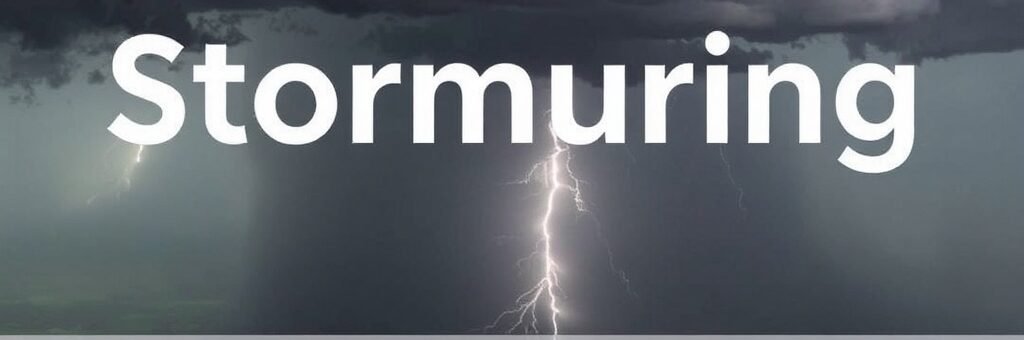
Stormuring (noun): the intentional use of storms—real weather events, charged emotional states, and dramatic shifts in environment—as sources of creative inspiration. Whether you sit by a thunderous window with a notebook, write a character caught in a gale, or lean into inner upheaval to break creative blocks, stormuring is a practical, repeatable approach to transform turbulence into work that crackles with life.
This post explains why storms power creativity, gives actionable exercises and prompts, shares real-world applications, and offers guidance for staying safe and emotionally grounded while you work. Use it as a primer and a toolkit for anyone—from artists and writers to designers and entrepreneurs—who wants to turn volatility into creative fuel.
Why storms spark creativity
- Sensory amplification: Storms heighten the senses—sound of rain, wind on skin, shifting light—providing rich, immediate stimuli to translate into creative output.
- Emotional intensity: Storms mirror inner turmoil and catharsis. Strong emotions open associative thinking and make metaphors more resonant.
- Disruption of routine: Storms interrupt normal life and perception, loosening habitual thought patterns and inviting novelty.
- Narrative stakes: Storms introduce conflict, urgency, and high stakes—essential ingredients for compelling storytelling.
- Environmental data: Storms alter landscapes and light, offering fresh textures, colors, and atmospheres to capture in visual and sensory media.
Core principles of stormuring
- Intention: Approach storms with a clear creative aim—exploration, mood study, problem solving, or metaphoric world-building—rather than mere observation.
- Safety first: Respect weather warnings. If you want sensory proximity, choose safe vantage points (indoors, sheltered porches, window alcoves) or use recorded storm sounds and footage.
- Anchor and release: Use grounding rituals before and after (breathwork, short walks, journal check-ins) to process emotions and avoid overwhelm.
- Translate, don’t replicate: The aim is to translate storm qualities—rhythm, tension, release—into your medium, not simply to copy weather phenomena.
- Iteration: Treat stormuring as practice. Repeat exercises across different storms and moods to build a versatile creative muscle.
Practical stormuring exercises
A. Sensory Map (15–30 minutes)
- Sit near a window or in a sheltered outdoor spot during a storm, or play high-quality storm recordings.
- List five specific sounds, five textures, five smells, and five visual details.
- Create a short piece (poem, microfiction, sketch) that uses at least three elements from each list.
B. The Storm as Character (20–45 minutes)
- Personify the storm: give it goals, fears, and a memory.
- Write a scene where a protagonist negotiates with the storm (literal or metaphorical). Use the storm’s emotions to propel action.
C. Rhythmic Translation (10–25 minutes)
- Record or listen to storm sounds. Tap a beat pattern that mirrors the intensity changes.
- Translate that rhythm into another medium: a short musical loop, a brushstroke sequence, or a series of sentence lengths in a paragraph to mimic crescendos and lulls.
D. Constraint Storm (30–60 minutes)
- Choose one constraining rule inspired by storms: e.g., only use five colors (storm palette), write a story in which all dialogue occurs during a single downpour, or limit your composition to three long sentences to mirror sustained wind.
- Use constraints to force creative problem-solving.
E. Emotional Weather Report (5–15 minutes)
- Write a short “weather report” that describes your current emotional state using meteorological metaphors.
- Use it as a prompt to begin a longer writing session or visual study.
Prompts to jumpstart work
- “The storm kept one secret until the final lightning strike…”
- “Paint the sound of rain on a tin roof as if it were a language.”
- “Design a product whose form is dictated by wind patterns.”
- “A negotiator arrives after the storm—what evidence does the landscape hold?”
- “Compose a melody that starts as drizzle and ends as a thunderclap.”
Applications by discipline
- Writing: Use stormuring to create atmosphere, heighten conflict, and produce vivid sensory detail. Storm-inspired structures (build, break, resolve) map well to three-act stories.
- Visual art: Capture shifting light and textures—wet pavement reflections, bent trees, mist. Experiment with palette limited to storm tones (slates, deep blues, acidic greens).
- Music & sound design: Translate storm rhythm into percussion, use low-frequency rumble for tension, use dynamic swells to structure pieces.
- Design & UX: Use stormuring metaphorically to model user journeys—onboarding as calm before the storm, error states as turbulence—then design interventions that create release.
- Business & innovation: Use stormuring in ideation sessions—simulate a “creative storm” period where teams rapidly cycle through wild ideas, then emerge with prioritized, resilient solutions.
Safety and ethical considerations
- Never put yourself at risk to capture extreme weather. Use recorded material or safe vantage points.
- Be mindful of others: photographing or recording private property or people during distressing storms can be intrusive.
- Emotional storms can be triggering. If stormuring brings up strong emotions, pause, ground yourself, and seek support if needed.
Examples and mini case studies
- A poet records the sound of a coastal storm; back home, they write a sequence of persona poems that use the storm’s rhythm to structure line breaks and enjambment.
- A game designer uses wind flow simulations to create an evolving level where environment-driven mechanics alter player strategy, inspired by storm dynamics.
- A photographer who used a “one-storm-per-week” practice developed a series of images where reflections and puddles become recurring motifs—eventually exhibited as “After the Rain.”
Frequently Asked Questions (FAQ) — Stormuring
-
What is stormuring?
- Stormuring is the intentional practice of using storms—literal weather events and metaphorical emotional or situational turbulence—as stimuli for creative work. It involves observing, translating, and harnessing storm qualities (sound, rhythm, light, tension, release) to generate art, writing, music, design, and ideas.
-
Is stormuring safe?
- Stormuring itself is safe when practiced responsibly. Never put yourself in danger to observe extreme weather. Prefer sheltered vantage points (indoors, porches, covered observation spots) or use high-quality recordings and footage. Follow local weather warnings and common-sense precautions.
-
Can I practice stormuring if I don’t live near frequent storms?
- Yes. Use recorded storm sounds and time-lapse videos, simulate wind with fans, create low-light setups, and lean on imaginative prompts to emulate storm conditions. The core of stormuring is translation of storm qualities, not literal proximity.
-
What creative disciplines can benefit from stormuring?
- Almost any discipline: writers and poets, visual artists, photographers, musicians and sound designers, game and product designers, UX professionals, and teams doing creative problem-solving can all adapt stormuring exercises to their practice.
-
How often should I practice stormuring?
- Start small: once per week or every few storms. Regular practice builds sensory awareness and conceptual fluency; a consistent short practice (15–30 minutes) is often more effective than occasional long sessions.
-
What are simple stormuring exercises for beginners?
- Sensory Map: List sounds, textures, smells, and visuals during a storm and make a short piece from them.
- Emotional Weather Report: Describe your mood in meteorological terms and use it as a writing prompt.
- Rhythmic Translation: Turn storm sounds into a beat or sentence rhythm.
- Constraint Storm: Apply one storm-inspired constraint (limited palette, single scene during a downpour) to force creativity.
-
Can stormuring be therapeutic?
- Many people find stormuring cathartic because storms mirror emotional intensity and release. However, it is not a substitute for professional therapy. If stormuring triggers distressing emotions, pause and seek support from a mental-health professional.
-
How do I use stormuring in group or team settings?
- Run a timed “creative storm” session: set a clear constraint, play storm recordings, and have teams generate rapid ideas for 20–40 minutes. Use rotation rounds and a final prioritize-and-refine stage. Stormuring can help break groupthink and surface resilient concepts.
-
What tools and resources help with stormuring?
- High-quality field recordings and storm sound libraries
- Time-lapse storm footage and weather cams
- Safe observation gear (umbrella, waterproof notebook, window seat)
- Apps for ambient storm sounds and white-noise generators
- Wind simulators (fans) and lighting rigs for indoor setups
-
How do I translate storm qualities into my medium?
- Identify key storm features (rhythm, tension, release, contrast, texture) and map them to your medium’s elements:
- Writing: sentence length, pacing, dialogue, metaphor
- Visual art: palette, brushwork, contrast, composition
- Music: tempo changes, dynamics, low-frequency rumble, percussive accents
- Design: interaction flow, error states, microcopy tone, responsiveness
-
Are there ethical concerns with stormuring?
- Respect privacy and the vulnerability of others during extreme weather events. Avoid photographing or recording people in distress without consent. Be mindful of environmental impact when traveling to storm sites.
-
How can I share or publish stormuring work?
- Tag submissions with #stormuring on social platforms, create a dedicated blog series, host monthly community challenges, curate reader submissions into galleries or zines, and consider multimedia posts that combine sound, image, and text to convey the storm experience.
-
Will stormuring make my work look cliché or melodramatic?
- Not if you translate rather than copy. Use stormuring to extract precise, specific details (a single puddle reflection, the smell of wet pavement) and to apply structural lessons (rise/fall, tension/release). Specificity prevents cliché.
-
Can children or students do stormuring exercises?
- Yes—adapt activities for safety and age. Younger students can do sensory mapping, drawing storm feelings, or composing short poems. Emphasize supervision and avoid exposure to dangerous weather.
-
Where can I find inspiration or further reading about storms and creativity?
- Look for field recording archives, artist interviews about weather-based projects, psychological studies on mood and creativity, and books on natural metaphors in art and literature. Link to reputable weather services for safety information.