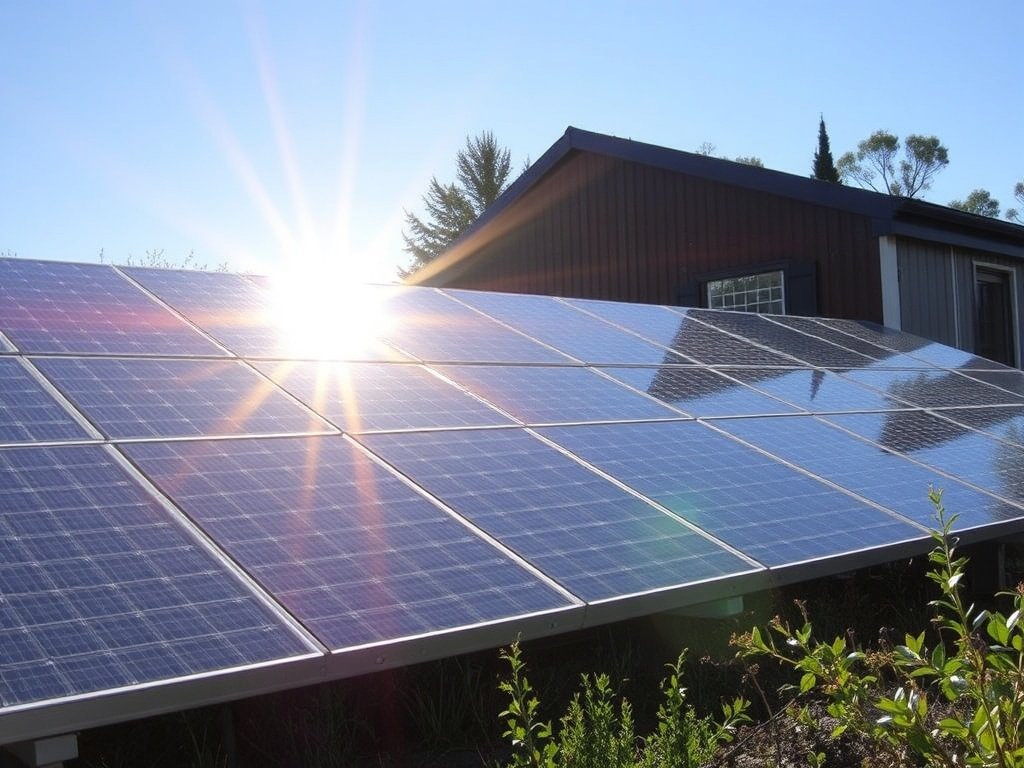
Solar energy has become a game changer in the quest for sustainable energy solutions. One of the most promising advancements in this field is HMS photovoltaik technology. This innovative approach to harnessing solar power is not only efficient but also environmentally friendly. In this article, we will explore what it is, its benefits, and its impact on the future of renewable energy.
What is HMS Photovoltaik?
It refers to a specific type of photovoltaic technology that maximizes the conversion of sunlight into electricity. The term “HMS” stands for High-Efficiency Multi-Silicon, which signifies the use of advanced silicon materials designed to enhance energy absorption. This technology involves sophisticated engineering techniques and materials to create solar panels that outperform traditional models.
Key Features
- High Efficiency: HMS photovoltaik systems are designed to achieve higher conversion rates, often exceeding 22% efficiency.
- Sustainable Materials: The materials used are not only efficient but also sourced responsibly to minimize environmental impact.
- Durability: These panels are built to withstand harsh weather conditions, ensuring longevity and reliability.
- Versatile Applications: It can be employed in various settings, from residential rooftops to large-scale solar farms.
Benefits of HMS Photovoltaik
1. Cost-Effectiveness
Although the initial investment for HMS photovoltaik systems may be higher than traditional solar panels, the long-term savings in energy costs and maintenance make them a cost-effective solution. With governmental incentives and decreasing manufacturing costs, the financial barrier is diminishing rapidly.
2. Energy Independence
By investing in HMS photovoltaik technology, individuals and communities can reduce their dependence on fossil fuels. This shift not only promotes energy independence but also contributes to a decrease in greenhouse gas emissions.
3. Technological Innovation
It represents the forefront of solar technology, driving innovation within the industry. Continued research and development promise even greater efficiencies and cost reductions in the future, making solar power more accessible to everyone.
4. Environmental Impact
Solar energy is one of the cleanest energy sources available. By adopting HMS photovoltaik systems, users contribute to a decline in air pollution and the overall carbon footprint, supporting global efforts to combat climate change.
The Future of HMS Photovoltaik
The future looks bright for HMS photovoltaik technology. Ongoing advancements in materials science and engineering are likely to lead to even more efficient solar cells. Additionally, the global push for renewable energy sources will create greater demand for sustainable technologies.
Challenges to Overcome
While it offers many advantages, there are challenges to consider. The production of high-efficiency solar cells can still be resource-intensive, and recycling old panels remains a critical issue. However, as the technology matures, solutions to these challenges will likely emerge.
Conclusion
iIt is reshaping the landscape of solar energy by providing an efficient, sustainable, and innovative solution for harnessing the power of the sun. As the world continues to shift toward renewable energy, the potential of HMS photovoltaik technology will undoubtedly play a crucial role in achieving a sustainable future.
By embracing such advancements, we not only invest in our future but also contribute to a healthier planet. If you’re considering solar energy solutions, HMS photovoltaik technology is worth exploring.
FAQs
What is HMS Photovoltaik?
It refers to a cutting-edge solar technology that utilizes High-Efficiency Multi-Silicon materials to convert sunlight into electricity. This innovative approach enhances the performance of solar cells, resulting in higher energy conversion rates compared to traditional photovoltaic technologies.
How does it differ from conventional solar panels?
The primary difference lies in efficiency. HMS photovoltaik systems can achieve conversion rates exceeding 22%, primarily due to advanced materials and engineering techniques. Conventional panels typically have lower efficiencies, often around 15-18%. This means that HMS systems generate more electricity from the same amount of sunlight.
What are the benefits of using HMS photovoltaik technology?
- Higher Efficiency: Converts a greater percentage of sunlight into electricity.
- Cost-Effectiveness: Although the initial cost may be higher, homeowners often see substantial savings over time.
- Durability: Built to withstand various weather conditions, resulting in lower maintenance costs.
- Environmental Sustainability: Reduces reliance on fossil fuels and diminishes carbon emissions.
Are HMS photovoltaik panels suitable for residential use?
Yes, HMS photovoltaik panels are highly suitable for residential applications. Their high efficiency allows them to generate adequate power even in smaller spaces, making them ideal for homes with limited roof area.
How long do HMS photovoltaik panels last?
Typically, its panels have a lifespan of 25 years or more. Most manufacturers offer warranties that guarantee performance for up to 25 years. Regular maintenance can extend the lifespan further.
Is there a significant difference in cost between HMS and traditional solar panels?
Yes, HMS photovoltaik systems can be more expensive initially due to advanced technology and materials. However, they usually offer better performance and energy output over time, which can offset the higher upfront costs.
What type of maintenance do HMS photovoltaik panels require?
Maintenance for HMS photovoltaik systems is minimal. Regular cleaning to remove dust and debris is recommended, as it can help maintain efficiency. Inspections every few years can ensure everything is functioning correctly.
Can HMS photovoltaik technology work in cloudy conditions?
Yes, HMS photovoltaik technology can still generate electricity in overcast conditions. However, like all solar technologies, performance will be reduced. These panels are designed to maximize energy capture, even in less-than-ideal lighting conditions.
Are there any government incentives for installing HMS photovoltaik systems?
Many governments offer incentives, such as tax credits or rebates, to encourage the adoption of solar technology. These incentives can significantly reduce the overall cost of installing HMS photovoltaik systems. Check with local governments for specific programs.
How does the recycling of HMS photovoltaik panels work?
Recycling processes for solar panels are advancing. While it panels can be more challenging to recycle than conventional panels, companies are developing techniques for recovering valuable materials to minimize waste and environmental impact.
What is the future of HMS photovoltaik technology?
The future looks promising, with ongoing research focused on improving efficiency, reducing costs, and expanding applications. As technology evolves, it is expected to play a significant role in the transition to renewable energy sources worldwide.