
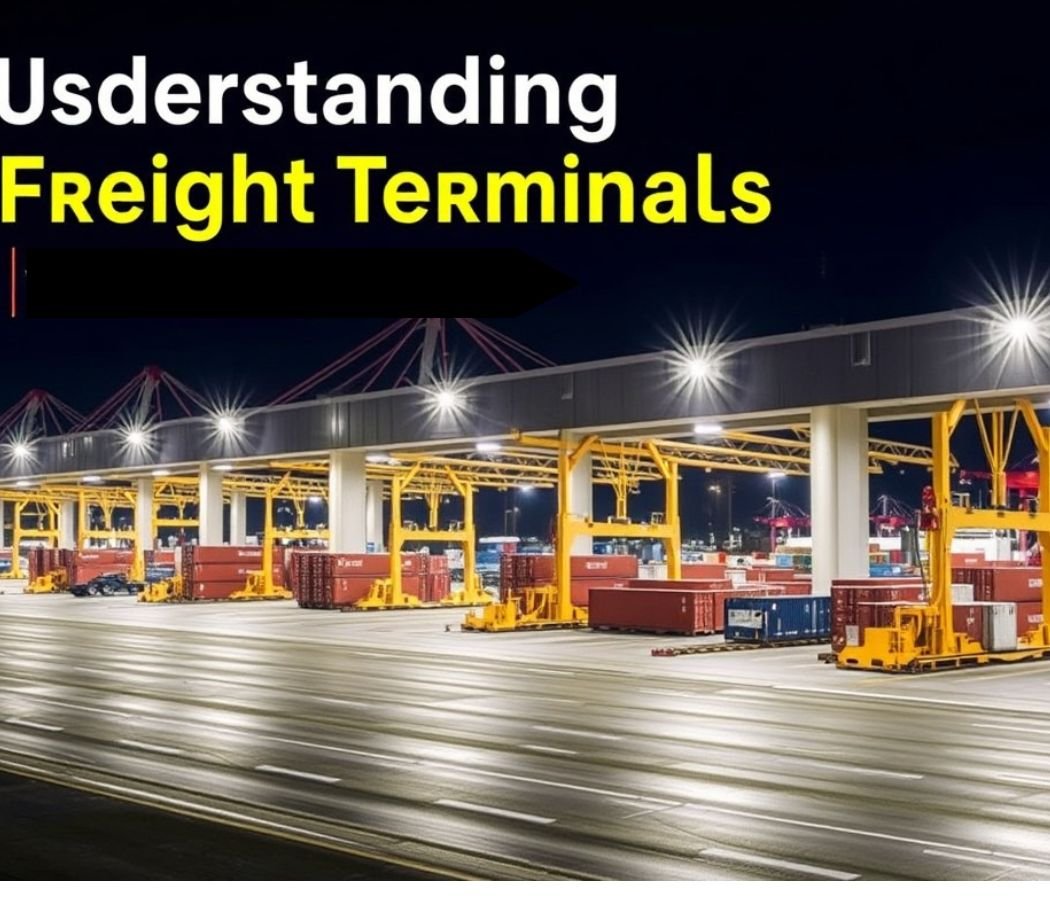
Private Freight Terminal: Private freight terminals have increasingly become vital components of modern supply chains, offering enhanced logistics solutions tailored to specific business needs. This article delves into what private freight terminals are, their benefits, operational features, and their impact on businesses.
What is a Private Freight Terminal?
A private freight terminal is a dedicated facility operated by a specific company or organization to manage the storage, sorting, and distribution of goods. Unlike public terminals, which are available to any shipping company, private terminals are exclusive and are designed to streamline operations for a single corporation or a limited number of partners.
Key Features:
- Exclusive Access: Only authorized personnel and vehicles have access, ensuring greater security.
- Customization: Infrastructure and services can be tailored to specific business requirements.
- Efficiency: Streamlined processes lead to quicker turnaround times.
Benefits of Private Freight Terminals
- Cost Savings
By centralizing operations, businesses can reduce transportation costs and optimize inventory management. Companies can negotiate better rates with carriers due to increased shipping volumes realized through the terminal. - Improved Control
Having direct oversight of the terminal operations allows companies to implement custom protocols and oversee quality control, which is essential for maintaining product integrity during transit. - Enhanced Security
Increased control translates to improved security measures. Private freight terminals can implement stringent access controls and surveillance systems, reducing theft and loss. - Faster Response Times
With dedicated staff and optimized workflows, private terminals can respond to logistical challenges more rapidly, minimizing delays and ensuring that goods reach their destinations promptly. - Reduced Congestion
Private terminals can mitigate congestion that often plagues public freight terminals, leading to smoother operations and reduced wait times for trucks and cargo.
Operational Aspects
Infrastructure
A private freight terminal typically includes:
- Loading docks
- Warehousing facilities
- Office spaces for administration
- Equipment for handling goods (e.g., forklifts, cranes)
- Parking areas for trucks
Technology Integration
The latest technological advancements greatly enhance the efficiency of private freight terminals. Key technologies include:
- Warehouse Management Systems (WMS): Software that optimizes inventory tracking and order fulfillment.
- Transportation Management Systems (TMS): Tools for planning, executing, and optimizing the movement of goods.
- Automated Sorting Systems: Technology that speeds up the sorting process and reduces human error.
Economic Impact
Private freight terminals contribute to the economy by:
- Creating Jobs: From logistics coordinators to warehouse operators, private terminals create numerous employment opportunities.
- Boosting Local Economies: By improving logistics efficiency, these terminals enable businesses to expand their market reach, stimulating local economic growth.
Conclusion
Private freight terminals are not just facilities; they are integral to the operational success of businesses engaged in shipping and logistics. By offering tailored, secure, and cost-effective solutions, they empower companies to optimize their supply chains and enhance their competitive edge. As the demand for efficient logistics continues to grow, private freight terminals will play an ever-increasing role in shaping the future of transportation and supply chain management.
FAQs about Private Freight Terminal
1. What is a private freight terminal?
A private freight terminal is a specialized facility owned and operated by a single company or a limited group of partners for the purpose of storing, sorting, and distributing their goods. It offers exclusive access and is specifically tailored to the operational needs of the organization, unlike public terminals that serve multiple carriers.
2. What are the main advantages of using a private freight terminal?
- Cost Efficiency: By centralizing operations, companies can negotiate better shipping rates and reduce overall transportation costs.
- Control Over Operations: Businesses have the ability to implement customized processes and enforce strict quality control measures.
- Enhanced Security: Private terminals offer increased security options, as access is limited to authorized personnel, which reduces the risk of theft and damage.
- Faster Turnaround Times: With dedicated resources and optimized workflows, private terminals can handle goods more quickly than public alternatives.
- Reduced Congestion: Less traffic from non-affiliated companies leads to smoother operations and decreased wait times.
3. How is a private freight terminal structured?
A private freight terminal typically includes:
- Loading Docks: Areas for trucks to load and unload goods.
- Storage Facilities: Warehousing spaces for inventory storage.
- Administrative Offices: Management and operational control spaces.
- Support Equipment: Machinery for handling goods, like forklifts and conveyors.
- Parking Areas: Designated spaces for trucks and transport vehicles.
4. What technologies are commonly used in private freight terminals?
Key technologies include:
- Warehouse Management Systems (WMS): Software that helps manage inventory levels, streamline order fulfillment, and improve accuracy.
- Transportation Management Systems (TMS): Tools that optimize the planning and execution of shipping processes.
- Automated Sorting Systems: Technology that speeds up sorting operations, helping to reduce errors and improve efficiency.
5. Who should consider using a private freight terminal?
Companies with substantial shipping needs, those handling sensitive or high-value products, or businesses looking to improve supply chain efficiency should consider establishing a private freight terminal. Industries such as retail, manufacturing, and distribution often benefit the most.
6. What are the potential challenges of operating a private freight terminal?
- High Initial Investment: Establishing a private terminal can require significant upfront capital for infrastructure and technology.
- Management Complexity: Running a private terminal demands expertise in logistics, operational management, and regulatory compliance.
- Market Demand Fluctuations: Changes in market demand can affect the profitability of a private terminal, leading to underutilization of resources.
7. How can businesses assess the need for a private freight terminal?
Companies should evaluate:
- Shipping Volume: If a business regularly ships large quantities of goods, a private terminal may be justified.
- Operational Inefficiencies: Identify delays or costs related to using public terminals.
- Growth Projections: Consider future growth and how logistics capacity will need to scale.
8. What are the regulatory requirements for operating a private freight terminal?
Regulations can vary widely depending on location and the type of goods being handled. Common requirements include:
- Zoning Laws: Ensuring the terminal operates within legal land-use regulations.
- Health and Safety Standards: Adhering to occupational safety regulations.
- Environmental Regulations: Complying with local and national environmental laws.
9. How can businesses optimize their private freight terminal operations?
- Implement Technology: Use advanced software for tracking and inventory management.
- Training Programs: Regular training for staff to improve efficiency and safety protocols.
- Regular Reviews: Periodically assess operational processes and performance metrics to identify areas for improvement.
10. What is the future of private freight terminals?
As businesses increasingly rely on customized logistics solutions, the demand for private freight terminals is expected to grow. Innovations in technology, sustainability practices, and evolving consumer expectations will shape the future of these facilities, pushing them towards greater efficiency and adaptability.